Defending the Decision-Maker: Cognitive Security Operations for High-Value Individuals
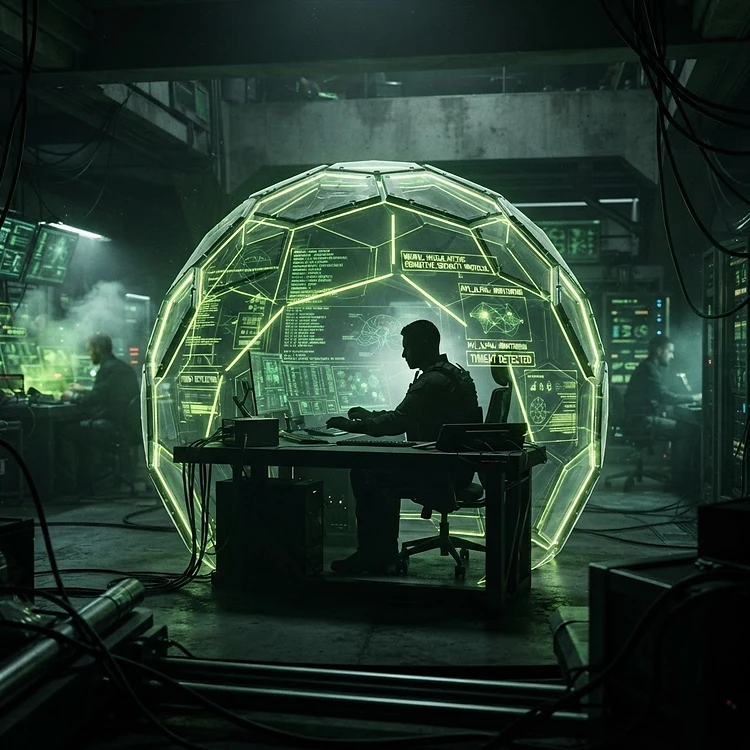
The high-value decision-maker is the asset the organization most needs to protect and the target cognitive warfare most seeks to attack. This report examines cognitive security operations for high-value individuals — threat intelligence, footprint monitoring, channel verification, pressure analysis, and response support — the integration with the decision-maker's own practice that balances protection and autonomy, and the challenges of access, false positives, and cost that determine whether operations can be built at the scale the threat demands.
The Decision-Maker as the Asset
The high-value decision-maker is, in 2027, the asset the organization most needs to protect and the target the cognitive warfare operation most seeks to attack. The official, the executive, the board member, the senior analyst — each is a decision-maker whose decisions are consequential, and the consequence is the consequence the operator most seeks to influence. The organization that relies on the decision-maker is an organization that, in the act of relying, has made the decision-maker the asset the cognitive security practice most needs to defend, and the defense is the defense this report examines at an analytical level.
The defending of the decision-maker is, in 2027, the cognitive security operations practice that most protects the high-value individual, and the practice is the practice the organization most needs to develop. The practice is the practice that most shifts the cognitive security from the individual's own discipline to the organization's operational support, and the shift is the shift the threat most demands. The decision-maker who is defended by the organization's cognitive security operations is a decision-maker who most resists the personalized cognitive pressure, and the resistance is the resistance the operations most provide.
The Structure of the Operations
The cognitive security operations for the high-value individual are structured by several functions, and the functions are the functions the organization most needs to build.
Threat intelligence. The first function is threat intelligence — the intelligence that most identifies the threats the decision-maker most faces, and the intelligence is the intelligence that most informs the defense. The organization that monitors the information environment for the indicators of the cognitive warfare operation — the coordinated narratives, the synthetic content, the impersonation, the pressure — is an organization that most detects the operation before it reaches the decision-maker, and the detection is the detection the intelligence most provides. The threat intelligence is, in this sense, the function that most provides the early warning, and the warning is the warning the defense most depends on.
Footprint monitoring. The second function is footprint monitoring — the monitoring of the decision-maker's public footprint for the indicators of the reconnaissance, and the monitoring is the monitoring that most detects the operation's first phase. The organization that monitors the decision-maker's public presence — the social media, the public records, the professional publications — for the indicators of the collection is an organization that most detects the reconnaissance, and the detection is the detection the monitoring most provides. The footprint monitoring is, in this sense, the function that most detects the operation's preparation, and the preparation is the preparation the defense most needs to detect.
Channel verification. The third function is channel verification — the verification of the communications the decision-maker receives, and the verification is the verification that most detects the impersonation and the indirection. The organization that verifies the communications — the cryptographic verification of the provenance, the out-of-band verification of the identity, the contextual verification of the legitimacy — is an organization that most detects the impersonation, and the detection is the detection the verification most provides. The channel verification is, in this sense, the function that most defends the decision-maker's channels, and the channels are the channels the operation most exploits.
Pressure analysis. The fourth function is pressure analysis — the analysis of the information the decision-maker is exposed to for the indicators of the coordinated pressure, and the analysis is the analysis that most detects the operation's delivery. The organization that analyzes the information the decision-maker receives — the convergence, the persistence, the tailoring — for the indicators of the operation is an organization that most detects the pressure, and the detection is the detection the analysis most provides. The pressure analysis is, in this sense, the function that most detects the operation's execution, and the execution is the execution the defense most needs to detect.
Response support. The fifth function is response support — the support the organization provides to the decision-maker in the response to the detected operation, and the support is the support that most enables the effective response. The organization that provides the decision-maker with the analysis, the recommendation, the communication, and the coordination is an organization that most enables the response, and the enabling is the enabling the support most provides. The response support is, in this sense, the function that most enables the defense's action, and the action is the action the defense most depends on.
The Integration with the Decision-Maker
The cognitive security operations are, in 2027, most effective when they are integrated with the decision-maker's own practice, and the integration is the integration the organization most needs to build.
The integration is the integration that most respects the decision-maker's autonomy. The operations that protect the decision-maker are the operations that must not, in the act of protecting, compromise the decision-maker's authority. The organization that provides the decision-maker with the intelligence, the verification, the analysis, and the support is an organization that most respects the decision-maker's own judgment, and the respect is the respect the integration most requires. The integration is, in this sense, the integration that most balances the protection and the autonomy, and the balance is the balance the operations most need to maintain.
The integration is the integration that most builds the decision-maker's own capacity. The operations that protect the decision-maker are the operations that must, in the act of protecting, build the decision-maker's own capacity to resist the operation. The organization that teaches the decision-maker the techniques, the indicators, and the responses is an organization that most builds the decision-maker's own resilience, and the resilience is the resilience the integration most provides. The integration is, in this sense, the integration that most builds the decision-maker's own defense, and the defense is the defense the operations most need to enable.
The Challenges of the Operations
The cognitive security operations face, in 2027, several challenges, and the challenges are the challenges the organization most needs to address.
The first challenge is the challenge of the access. The operations that protect the decision-maker are the operations that require the access to the decision-maker's communications, the decision-maker's information, and the decision-maker's schedule, and the access is the access the decision-maker's own privacy most protects. The operations that respect the privacy are the operations that most limit the access, and the limit is the limit the detection most struggles with. The access is, in this sense, the challenge that most determines the operations' effectiveness, and the determination is the determination the organization most needs to balance.
The second challenge is the challenge of the false positive. The operations that detect the cognitive warfare operation are the operations that must, in the act of detecting, distinguish the operation from the legitimate, and the distinction is the distinction the detection most struggles with. The operation that is detected as the cognitive warfare is an operation that triggers the response, and the response is the response the false positive most produces. The false positive is, in this sense, the challenge that most determines the operations' credibility, and the determination is the determination the organization most needs to calibrate.
The third challenge is the challenge of the cost. The operations that protect the decision-maker are the operations that require the sustained investment the organization most struggles to maintain, and the investment is the investment the organization most needs to justify. The operations that are conducted at the scale the threat requires are the operations that most demand the resources, and the resources are the resources the organization most needs to allocate. The cost is, in this sense, the challenge that most determines the operations' sustainability, and the determination is the determination the organization most needs to address.
Conclusion
The defending of the decision-maker is, in 2027, the cognitive security operations practice that most protects the high-value individual, and the practice is the practice the organization most needs to develop. The operations are structured by the threat intelligence, the footprint monitoring, the channel verification, the pressure analysis, and the response support, and the functions are the functions the organization most needs to build. The operations are most effective when they are integrated with the decision-maker's own practice, and the integration is the integration that most balances the protection and the autonomy. The operations face the challenges of the access, the false positive, and the cost, and the challenges are the challenges the organization most needs to address. The question is whether the operations can, in time, be built at the scale the threat most demands — or whether the defending of the decision-maker will, in 2027, be the practice the organization most struggles to develop and the decision-maker most struggles to receive.
This dossier is part of the CyberArmory 2027 educational catalog. No live weapons are deployed, no named individuals are targeted, and no operational guidance for the conduct of attacks is provided.
This report was compiled by the CyberArmory 2027 Research Collective as part of an educational dossier on speculative future cyber warfare technologies. No live weapons are deployed. Every scenario is a controlled educational simulation designed to build pattern recognition and improve incident response readiness.