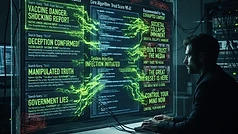
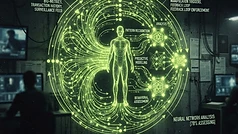
Cognitive Security: The Next Frontier of Cyber Defense

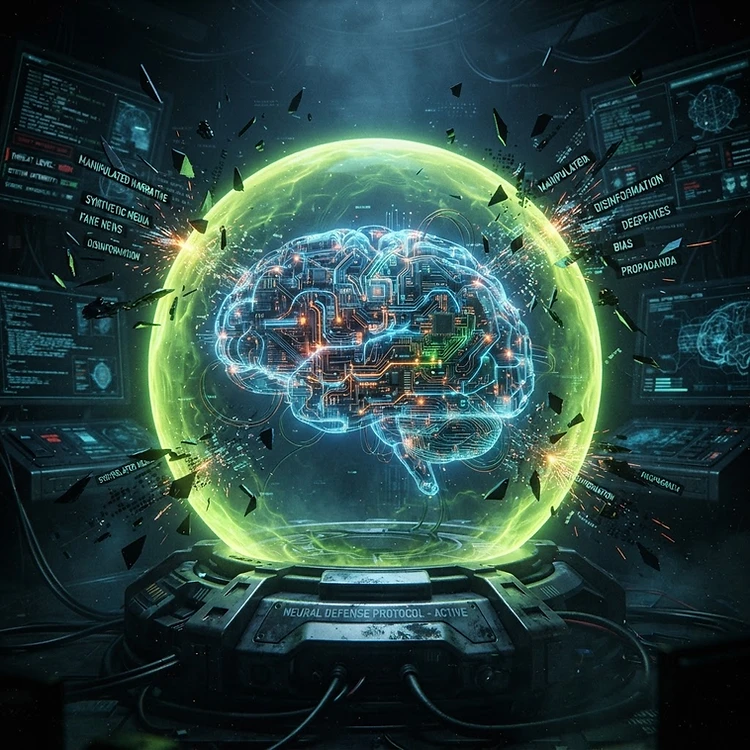
Cybersecurity may need to expand beyond protecting networks, devices, and identities to protecting executives and organizations from synthetic media, impersonation, coordinated narratives, manipulated information environments, and AI-driven influence campaigns. This report examines the five cognitive threats, the new perimeter they create, why the executive is the primary target, and the integration of cognitive security with traditional cybersecurity practice.
The Perimeter That Was the Network
Cybersecurity, for most of its history, was defined by a perimeter. The perimeter was the network — the firewalls, the intrusion detection systems, the access controls that separated the trusted inside from the untrusted outside. The defense was the defense of the perimeter, and the defense's objective was the protection of the systems, the data, and the identities that lived inside it. The threats the defense countered were the threats that targeted the perimeter's inside — the malware that breached the firewall, the attacker who stole the credentials, the intruder who moved laterally through the network. The defense was, in this sense, a defense of the infrastructure, and the infrastructure was the thing the defense was built to protect.
The perimeter expanded over time. The network perimeter gave way to the device perimeter, the identity perimeter, the cloud perimeter, the supply-chain perimeter. Each expansion was a response to a threat that the previous perimeter did not cover, and each expansion was an acknowledgment that the thing to be protected was broader than the network. But the expansions, for all their breadth, shared a common assumption: the thing to be protected was a system — a network, a device, an identity, a supply chain — and the threat was an attack on the system. The defense was, in all its expansions, a defense of systems, and the systems were the things the defense was built to protect.
The assumption that the thing to be protected is a system is, in 2027, an assumption that is no longer sufficient. The threats that most concern the executive, the organization, and the institution are not only the threats that target their systems; they are the threats that target their minds — the synthetic media that impersonates the executive, the coordinated narrative that attacks the organization's reputation, the manipulated information environment that shapes the decisions the institution makes. These threats are not attacks on systems; they are attacks on cognition — on the beliefs, the perceptions, and the decisions of the humans who run the systems. The defense that is built to protect systems is, in this sense, a defense that does not protect the humans, and the humans are, in 2027, the target.
Cognitive security is the expansion of cybersecurity to protect the cognition of the humans — the executives, the organizations, the institutions — from the threats that target it. Cognitive security is, in this sense, the next frontier of cyber defense, and the frontier is the frontier that the expansion of the perimeter has, until now, not reached. The frontier is the mind, and the mind is the thing the defense must learn to protect.
The Threats That Target Cognition
The threats that target cognition are, in 2027, several, and each is a threat that the traditional perimeter does not counter.
Synthetic media. The first threat is synthetic media — the AI-generated images, videos, and audio that depict a person doing or saying something they did not. The synthetic media is, in 2027, sufficiently realistic to deceive the audience that encounters it, and the deception is the threat's effect. The executive whose face is placed on a video that appears to show them making a damaging statement is an executive whose credibility is attacked, and the attack is an attack that the network perimeter does not counter, because the attack is not on the executive's network; it is on the executive's reputation. The synthetic media is, in this sense, a threat that targets the cognition of the audience — the audience that believes the media is genuine — and the targeting is the targeting the traditional defense does not protect.
Impersonation. The second threat is impersonation — the use of synthetic identities, compromised accounts, or cloned communications to appear as a trusted person. The impersonation is, in 2027, conducted at a fidelity that the traditional checks — the email address, the phone number, the profile picture — do not reliably detect, and the fidelity is the threat's enabler. The executive whose email is impersonated by a synthetic persona that has built a relationship with the target is an executive whose authority is exploited, and the exploitation is an exploitation that the identity perimeter does not counter, because the identity that is impersonated is not the executive's system identity; it is the executive's social identity. The impersonation is, in this sense, a threat that targets the cognition of the target — the target that believes the impersonator is the executive — and the targeting is the targeting the traditional defense does not protect.
Coordinated narratives. The third threat is coordinated narratives — the synchronized deployment of messages across multiple channels to create the appearance of a consensus, a scandal, or a movement. The coordinated narrative is, in 2027, conducted at a scale and a speed that the human-paced response cannot match, and the scale is the threat's force. The organization that is targeted by a coordinated narrative — a narrative that amplifies a grievance, fabricates an incident, or distorts a record — is an organization whose reputation is attacked, and the attack is an attack that the network perimeter does not counter, because the attack is not on the organization's network; it is on the organization's public perception. The coordinated narrative is, in this sense, a threat that targets the cognition of the public — the public that believes the narrative — and the targeting is the targeting the traditional defense does not protect.
Manipulated information environments. The fourth threat is the manipulated information environment — the corruption of the information systems the organization relies on to make decisions. The manipulated environment is, in 2027, the result of the poisoning of the search systems, the recommendation engines, the AI assistants, and the automated intelligence platforms that the organization uses, and the corruption is the threat's subtlety. The organization that makes decisions based on a poisoned intelligence platform — a platform that has been manipulated to favor a particular analysis — is an organization whose decisions are shaped by the attacker, and the shaping is a shaping that the system perimeter does not counter, because the system that is poisoned is not the organization's system; it is the intermediary the organization relies on. The manipulated environment is, in this sense, a threat that targets the cognition of the decision-maker — the decision-maker who trusts the intermediary's output — and the targeting is the targeting the traditional defense does not protect.
AI-driven influence campaigns. The fifth threat is the AI-driven influence campaign — the autonomous, adaptive, closed-loop operation that targets the organization's executives, employees, or stakeholders with tailored messages designed to shift their beliefs or behaviors. The influence campaign is, in 2027, conducted at a precision and a persistence that the traditional awareness training does not counter, and the precision is the threat's effectiveness. The executive who is targeted by a campaign that has modeled their psychology, that has tailored its message to their modeled susceptibilities, and that has adapted its message to their responses is an executive whose decisions are being shaped, and the shaping is a shaping that the identity perimeter does not counter, because the attack is not on the executive's identity; it is on the executive's judgment. The influence campaign is, in this sense, a threat that targets the cognition of the executive — the executive whose beliefs are being shifted — and the targeting is the targeting the traditional defense does not protect.
The New Perimeter
The expansion of cybersecurity to cognitive security is, in 2027, the expansion of the perimeter to include the cognition of the humans, and the expansion changes the defense in several ways.
The first change is the expansion of the assets to be protected. The traditional defense protected the systems, the data, and the identities. The cognitive defense protects, in addition, the reputation, the trust, the decision-making, and the perception of the organization and its people. The assets are, in this sense, broader, and the breadth is the change that most expands the defense's scope. The defense that protected the network must, in 2027, protect the narrative, and the narrative is an asset the traditional defense was not built to protect.
The second change is the expansion of the threats to be countered. The traditional defense countered the malware, the intrusion, the credential theft. The cognitive defense counters, in addition, the synthetic media, the impersonation, the coordinated narrative, the manipulated environment, and the influence campaign. The threats are, in this sense, broader, and the breadth is the change that most expands the defense's threat model. The defense that countered the attacker who breached the firewall must, in 2027, counter the attacker who poisons the intermediary, and the poisoning is a threat the traditional defense was not built to counter.
The third change is the expansion of the surfaces to be monitored. The traditional defense monitored the network traffic, the system logs, the identity events. The cognitive defense monitors, in addition, the information environment — the social media, the search results, the recommendation feeds, the synthetic content, the narrative patterns. The surfaces are, in this sense, broader, and the breadth is the change that most expands the defense's monitoring. The defense that monitored the network must, in 2027, monitor the information environment, and the environment is a surface the traditional defense was not built to monitor.
The fourth change is the expansion of the responses to be mounted. The traditional response was the containment, the remediation, the restoration of the system. The cognitive response is, in addition, the detection of the synthetic media, the verification of the identity, the countering of the narrative, the correction of the manipulated environment, and the resilience of the decision-maker. The responses are, in this sense, broader, and the breadth is the change that most expands the defense's response. The defense that contained the breach must, in 2027, counter the narrative, and the countering is a response the traditional defense was not built to mount.
The Executive as the Target
The cognitive security threat is, in 2027, a threat that disproportionately targets the executive, and the disproportion is a property that the defense must understand.
The executive is targeted because the executive's decisions are consequential. The executive who decides the company's strategy, the government's policy, the military's action is an executive whose decisions affect the organization, and the affecting is the property that makes the executive a target. The attacker who would shift the organization's behavior can shift it most effectively by shifting the executive's decision, and the shift of the decision is the objective of the cognitive attack. The executive is, in this sense, the target because the executive is the lever, and the lever is the thing the attacker pulls.
The executive is also targeted because the executive's public presence is a surface. The executive who speaks, posts, appears, and is reported on is an executive whose presence is in the information environment, and the presence is a surface the attacker can exploit. The attacker who impersonates the executive, who fabricates the executive's statements, who coordinates a narrative against the executive is an attacker who exploits the surface, and the exploitation is the attack. The executive is, in this sense, the target because the executive is visible, and the visibility is the thing the attacker uses.
The executive is also targeted because the executive's trust is a channel. The executive who is trusted by employees, stakeholders, and the public is an executive whose trust is a channel the attacker can exploit. The attacker who impersonates the executive to the employee, who fabricates the executive's directive to the stakeholder, who coordinates a narrative that erodes the public's trust in the executive is an attacker who exploits the channel, and the exploitation is the attack. The executive is, in this sense, the target because the executive is trusted, and the trust is the thing the attacker uses.
The defense of the executive is, in 2027, a defense that must protect the executive's cognition, the executive's reputation, and the executive's trust, and the protection is a protection that the traditional executive protection — the physical security, the travel security, the communication security — does not provide. The cognitive executive protection is, in this sense, a new discipline, and the discipline is the discipline the organization must develop to protect its most targeted people.
The Integration with Cybersecurity
Cognitive security is not, in 2027, a separate discipline from cybersecurity; it is an expansion of cybersecurity, and the expansion is the integration of the cognitive threats into the cybersecurity practice.
The integration is, in its current state, a work in progress. The security operations center that monitored the network is, in 2027, beginning to monitor the information environment, and the monitoring is a monitoring that requires new tools, new skills, and new workflows. The incident response team that contained the breach is, in 2027, beginning to counter the narrative, and the countering is a response that requires new authorities, new partnerships, and new speed. The threat intelligence team that tracked the attacker's infrastructure is, in 2027, beginning to track the attacker's influence operations, and the tracking is a tracking that requires new sources, new methods, and new analysis. The integration is, in this sense, an integration that is reshaping the cybersecurity practice, and the reshaping is the reshaping that the field must undergo to meet the threats of 2027.
The integration is also, in 2027, an integration that raises new questions. The question of authority — who in the organization is responsible for the cognitive security, and what authorities does the role require — is a question that the organization must answer, and the answer is an answer that the traditional security role does not provide. The question of proportionality — how the organization responds to a cognitive attack without itself becoming a participant in the information war — is a question that the organization must answer, and the answer is an answer that the traditional security response does not address. The question of privacy — how the organization monitors the information environment without infringing on the privacy of the individuals in it — is a question that the organization must answer, and the answer is an answer that the traditional security monitoring does not confront. The integration is, in this sense, an integration that raises questions the field has not answered, and the answering is the work that the field must do.
Conclusion
Cognitive security is the expansion of cybersecurity to protect the cognition of the humans — the executives, the organizations, the institutions — from the threats that target it, and the expansion is the next frontier of cyber defense. The threats that target cognition — the synthetic media, the impersonation, the coordinated narratives, the manipulated information environments, the AI-driven influence campaigns — are threats that the traditional perimeter does not counter, because the threats do not target the systems; they target the minds. The defense that is built to protect the systems must, in 2027, expand to protect the minds, and the expansion is the expansion that the field must undergo to meet the threats of the operating environment.
The expansion changes the defense — the assets, the threats, the surfaces, and the responses — and the changes are the changes that most define the cognitive security practice. The integration is, in its current state, a work in progress, and the work is the work the field must do to meet the threats. The integration raises questions — of authority, of proportionality, of privacy — that the field has not answered, and the answering is the work that the field must do.
The perimeter has expanded to the mind, and the mind is the thing the defense must learn to protect. The threats are already there — the synthetic media is already being generated, the narratives are already being coordinated, the environments are already being manipulated, and the campaigns are already being run. And the question is whether the cybersecurity field can, in time, expand its perimeter to protect the cognition of the humans it has, until now, only served — or whether the cognitive threat will, in 2027, be a threat the field cannot meet, and a threat the humans, in the act of leading, cannot help but face.
This dossier is part of the CyberArmory 2027 educational catalog. No live weapons are deployed. Every scenario is a controlled educational simulation designed to build pattern recognition and improve incident response readiness.
This report was compiled by the CyberArmory 2027 Research Collective as part of an educational dossier on speculative future cyber warfare technologies. No live weapons are deployed. Every scenario is a controlled educational simulation designed to build pattern recognition and improve incident response readiness.